
Geo Urdu Film: Pakistani films in English, from Armaan, Aina, Garm Hava and Day Shall Dawn to Zinda Bhaag, Punjab Nahi Jaungi, Jawani Phir Nahi Ani and Janaan, and where to watch them
193 Urdu films: the golden age of the 1950s to the 1970s and the new Pakistani cinema of today.
Geo Movies (New Movies)
 ★ 5.0
★ 5.0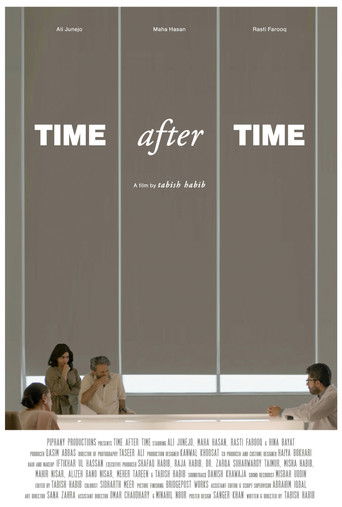
 ★ 6.7
★ 6.7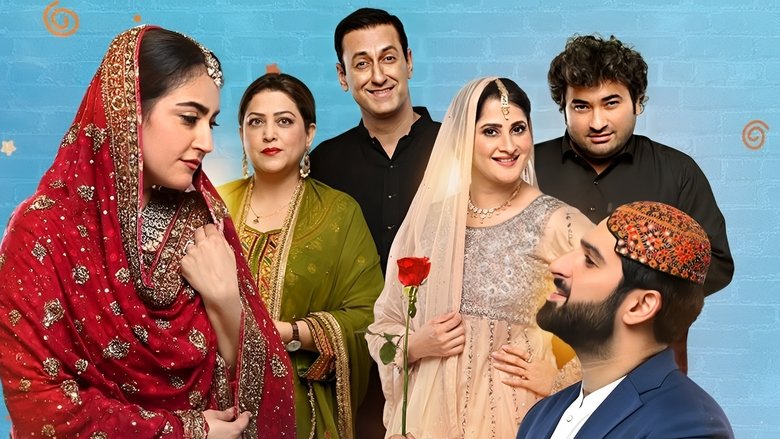 ★ 10.0
Most Watched
 ★ 7.0
★ 7.0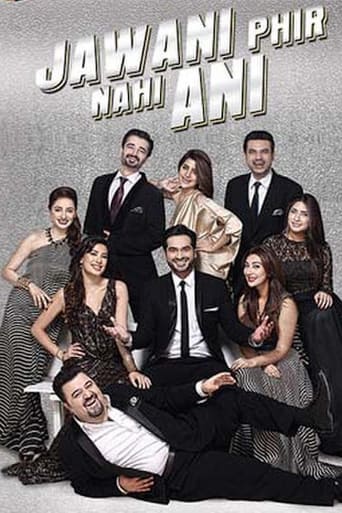 ★ 6.9
★ 6.9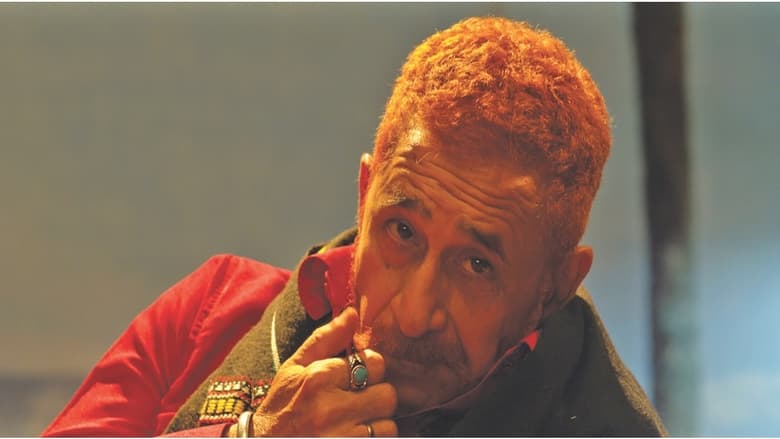 ★ 6.7
★ 6.7 ★ 8.4
★ 8.4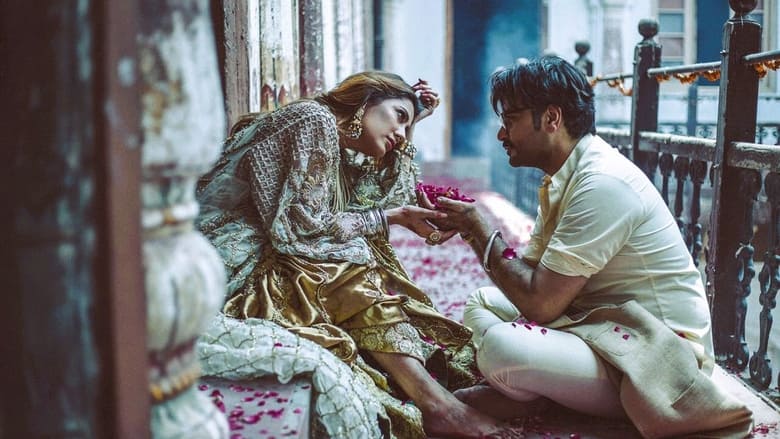 ★ 6.9
★ 6.9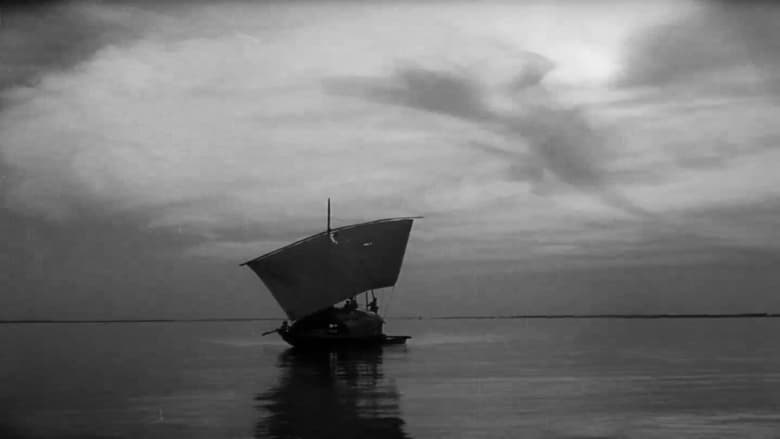 ★ 5.7
★ 5.7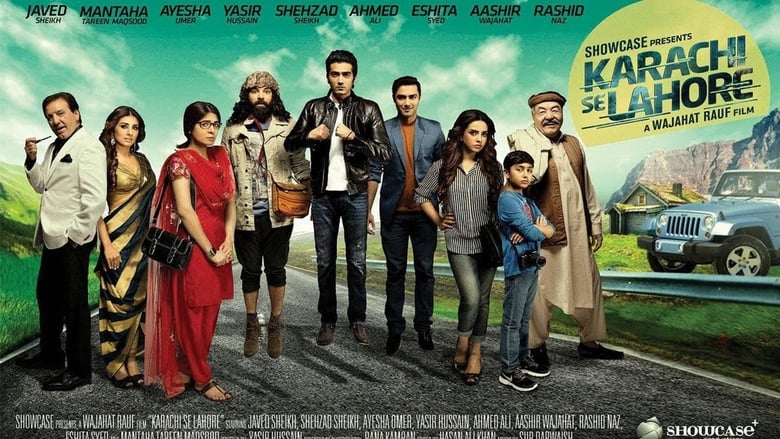 ★ 7.2
★ 7.2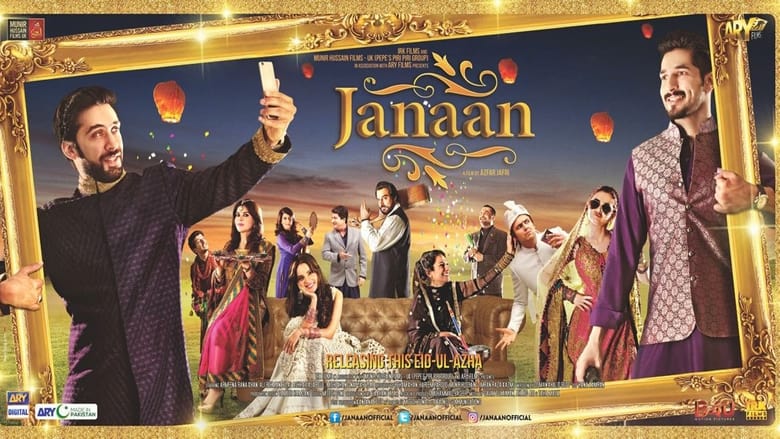 ★ 6.5
★ 6.5 ★ 5.8
★ 5.8Golden Age Movies
 ★ 8.0
★ 8.0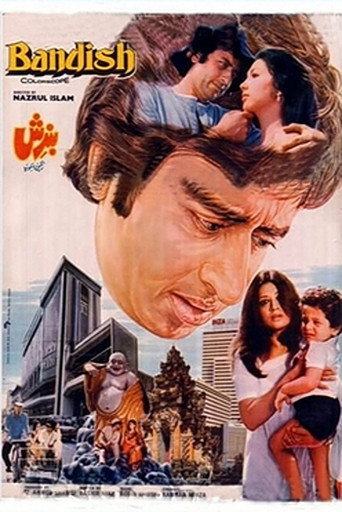 ★ 8.3
★ 8.3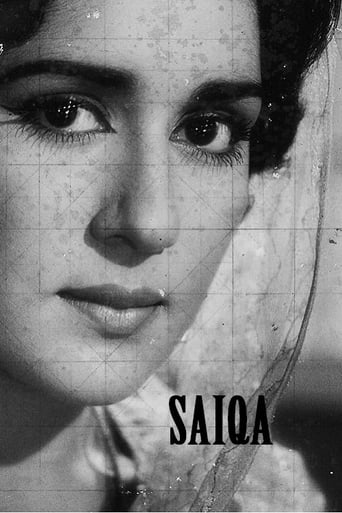 ★ 5.0
★ 5.0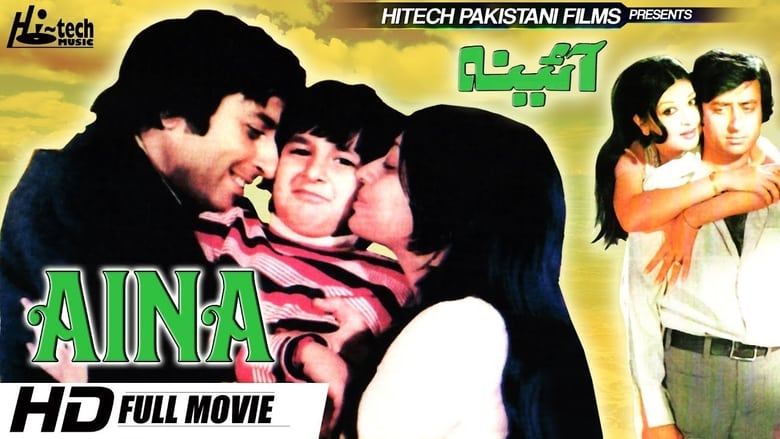 ★ 10.0
 ★ 9.0
★ 9.0 ★ 10.0
 ★ 8.0
★ 8.0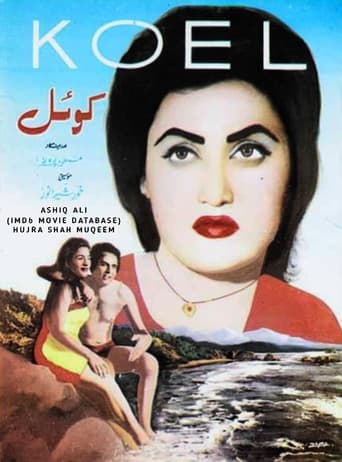 ★ 8.0
★ 8.0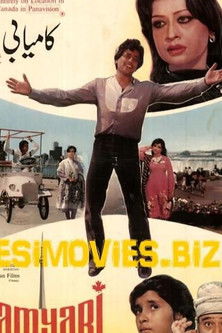 ★ 7.0
★ 7.0Short Films


Urdu cinema in English: the Geo Urdu Film guide
Geo Urdu Film: Pakistani films in English, from Armaan, Aina, Garm Hava and Day Shall Dawn to Zinda Bhaag, Punjab Nahi Jaungi, Jawani Phir Nahi Ani and Janaan
Urdu is one of the great languages of poetry, and the cinema made in it has a flavour of its own: courteous, musical, fond of a well-turned line. For half a century the studios of Lahore, Karachi and Dhaka produced romances, comedies, costume dramas and stories of family life, with stars whose names are still spoken with affection. After a long quiet period, a new generation of film-makers revived Pakistani cinema in the 2010s, and it is flourishing again. Geo Urdu Film is an English guide to both eras: 193 Urdu films, from 1952 to 2026, each with its own page, its story in English, its year, its running time and a Watch now button that leads to the official services carrying it in your country.
The catalogue has been chosen by hand for family viewing. It gathers the love stories, the musicals, the social dramas and the comedies of the golden age, the popular entertainments of the new cinema and a selection of short films by young directors. Lahore's film industry is known by the playful name Lollywood, and the first category on the site carries that name.
The sections below are a relaxed tour: how the site is laid out, the first decade, the golden 1960s, the great stars, the record-breakers of the 1970s, the new cinema, the comedies, the short films and a few plans for a first week. Each section links to a short help page, and the How to watch page sums up the simple steps from a category to the official service.
How Geo Urdu Film looks
Geo Urdu Film keeps the look of the site it is named after, which was laid out like a video channel. The page is dark throughout. Across the top runs a charcoal bar with the logo at the left, a red disc with a white play arrow beside the name in white and red capitals, a wide search box with a red button in the middle, and a red My List button at the right. Directly beneath it is a second bar in a very dark maroon, taken from the original design, with the menu in capitals: Home, Lollywood, Golden Age, New Cinema, Comedy, Love Stories, the A to Z list and Help. The link for the page you are on turns red. On a phone, the menu folds into a red three-line button.
Below the bars, the home page has two columns. On the left is a narrow panel headed Categories, a plain list of every category with its number of films at the right of each row, followed by a second list of the help pages. The original site listed its years and languages in exactly this place. On the right is the main column, which opens with the heading and a line about the catalogue.
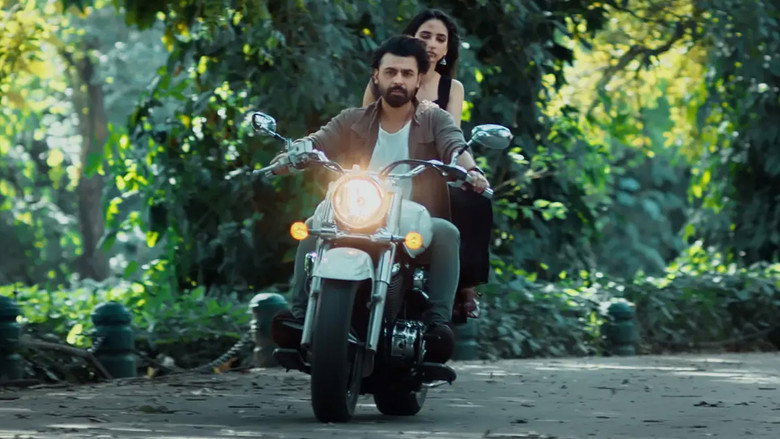
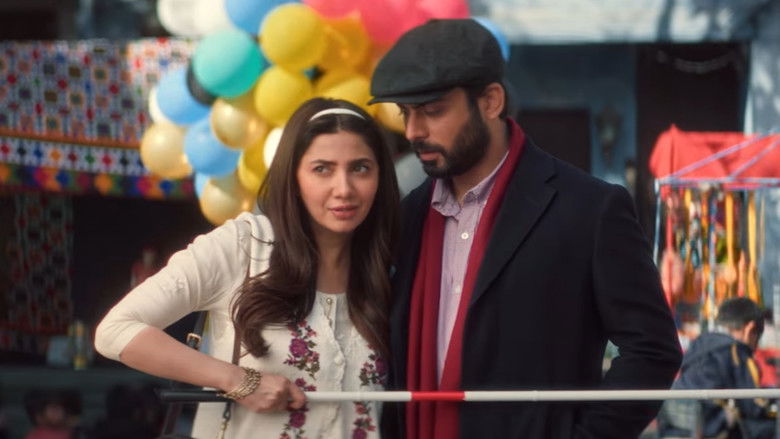
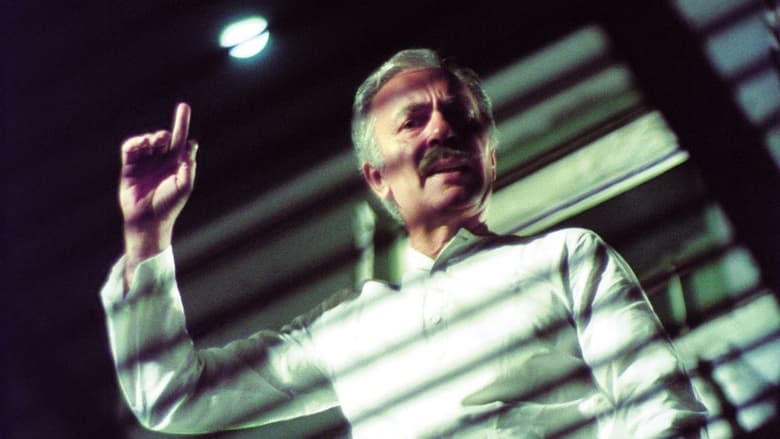
The films are shown as wide pictures, three to a row, in the manner of a video site: each picture is a still from the film or a part of its poster, with a small red tag in the lower corner showing its rating, and the title and year in white beneath. Three sections are laid out this way, New Movies, Most Watched and Golden Age Movies, each under a capital heading with a red line. A fourth section shows six short films as upright posters, and this guide follows. The footer repeats the charcoal of the top bar under a red line.
The dark panels, the maroon of the second bar, the red of the buttons and tags and the arrangement of sidebar and picture grid were measured from a saved copy of the original site from January 2022; the typeface is the Roboto it used. Red lettering on the dark background has been lightened a little so that it is easy to read, and the page works with a keyboard, a screen reader and a small phone screen.
The first decade
When Pakistan came into being in 1947, Lahore already had studios, but most of their owners and stars had left for Bombay. A small group of film-makers began again from very little, and by the middle of the 1950s they had built an industry. The The 1950s category holds 22 films, and the The 1950s help page introduces them.
Dupatta, from 1952, was the film that proved it could be done. It starred Noor Jehan, the singing star who had been the toast of Bombay and had chosen to move to Lahore, and its songs, composed by Feroz Nizami, were heard on both sides of the new border. Noor Jehan appears again in Intezar, from 1956, a musical romance with a score by the great Khurshid Anwar, in Lakht-e-Jigar, in Anarkali, from 1958, the story of the prince and the court dancer, and in Koel, from 1959, another triumph for Khurshid Anwar. She was known as the Queen of Melody, and after she gave up acting she remained the leading singer of Pakistani films for three more decades.
Sassi, from 1954, taken from a folk legend of Sindh about a girl who crosses the desert in search of her husband, was the first Pakistani film to run for fifty weeks in one cinema. Its stars, Sabiha Khanum and Sudhir, became favourites, and Sabiha Khanum's partnership with Santosh Kumar, whom she married, produced a long series of successes: Qatill, from 1955, Sarfarosh, from 1956, a swashbuckling tale of a young man who joins a band of rebels, and A Promise, from 1957, in which a servant and a wealthy young woman vow to stay together. The director of the first two, Anwar Kamal Pasha, was the most important film-maker of the decade.
The films of these years have simple, strong stories. Naukar, from 1955, is about a poor servant and his wife who give their son to a childless rich woman. Anokhi, from 1956, introduced two men who would become legends, the singer Ahmed Rushdi and the comedian Lehri. Masoom, Murad, Do Ansoo, Close to Each Other and Ishq-e-Laila, a telling of the legend of Laila and Majnu, all date from 1957, a busy year, and Jhoomer and Society from 1959.
The decade ended with a film unlike any other. Day Shall Dawn, from 1959, directed by A. J. Kardar from a script by the poet Faiz Ahmed Faiz, was filmed among the fishermen of a village on a great river in East Bengal. It follows one fisherman who dreams of owning his own boat, with real villagers in most of the parts, in a quiet, truthful style inspired by the realist cinema of Europe and India. It won a gold medal at the Moscow film festival and was the first film Pakistan submitted for the Academy Awards. Long thought lost, it was restored in recent years and shown again at Cannes.
The golden 1960s
The 1960s were the richest years of Urdu cinema, when Lahore, Karachi and Dhaka were all making films and the cinemas were full. The The 1960s category holds 50 films, more than any other decade, and the The 1960s help page offers a tour.
Armaan, from 1966, is the most famous of them. It was produced by its star, Waheed Murad, then twenty-seven, directed by his friend Pervez Malik and scored by another friend, Sohail Rana, and it tells of Najma, a kind-hearted orphan living with relatives in the hill town of Murree, played by Zeba, and of the carefree young man who falls in love with her. Its songs, sung by Ahmed Rushdi, include a bouncing dance number that is often called the first pop song of South Asia, and a sad ballad that is still sung today. Armaan was the first Urdu film in Pakistan to run for seventy-five weeks, and it made Waheed Murad, with his side-swept hair and easy charm, the idol of a generation.
The same team made Ehsaan and Doraha, both from 1967. In the first, Waheed Murad plays a doctor at a hospital who cares for a young widow and her daughter; in the second, he is a singer whose love story takes a painful turn. Devar Bhabi, from the same year, places him in a family drama as a devoted younger brother, Kaneez, from 1965, is a prize-winning story of the rigid traditions of a wealthy household, with Zeba, Mohammad Ali and Sabiha Khanum beside him, and Jab Say Dekha Hay Tumhen, from 1963, was one of his first leading roles.
Naila, from 1965, with Shamim Ara and Santosh Kumar, was one of the first great successes filmed in colour, a musical romance about love and loyalty within a family. Shamim Ara, the most graceful heroine of the period, also leads Saiqa, from 1968, a film she produced herself from a popular novel, about a girl who is thought unlucky from the day she is born. Aag, Mahal, Pakeeza, Chingari, directed by the composer Khurshid Anwar, and Baji, about a lonely young widow whom everyone calls elder sister, are among the well-loved dramas of the decade.
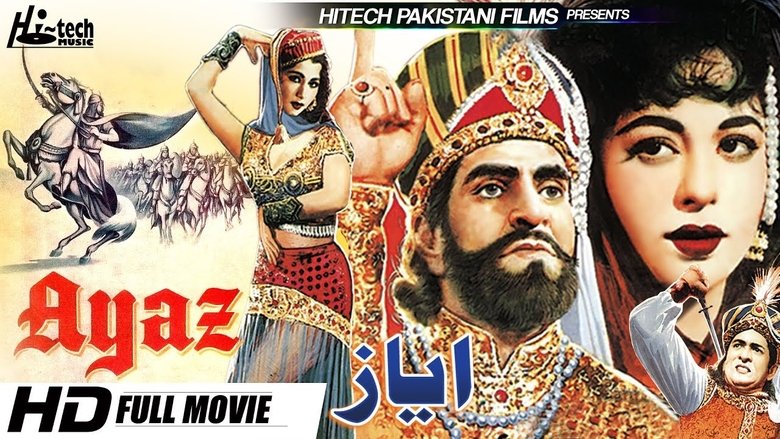
Costume films and fantasies were popular too. Ayaz, from 1960, tells of the loyal slave who became a general of Sultan Mahmud of Ghazni. Azra, from 1962, comes from an old Persian love story, Gulbadan follows a travelling merchant who pretends to be a prince, Hazar Dastaan follows a fisherman who discovers that he is of royal blood and must outwit a sorcerer, and Paristan is a tale of fairyland. Khaibar Mail, Khyber Pass and Baghi Sardar are adventures of the north-western frontier, and Ghalib, from 1961, with Sudhir and Noor Jehan, is a life of the greatest of Urdu poets.
Films from Dhaka
Until 1971, Pakistan had an eastern wing, and its capital, Dhaka, had studios of its own. Most of their films were in Bengali, but a number were made in Urdu for audiences across the country, and they brought a fresh, lyrical style and new faces to the screen. The Films from Dhaka help page gathers them.
Chanda, from 1962, directed by Ehtesham, was the first great Urdu success from Dhaka. It introduced Shabnam, a young Bengali actress who would go on to become the most successful heroine in the history of Pakistani cinema, and the actor Rehman. Last Station, from 1965, is taken from a short story by the writer Hajra Masroor: a young engineer arrives at a small railway station in the east and becomes curious about a strange young woman who lingers on the platform. Shabnam's performance in it is still admired. Darshan, from 1967, is remembered for its music; the singer Bashir Ahmad wrote and sang nearly all of its songs. Bahana, directed by the celebrated film-maker Zahir Raihan, and Pyasa, with Suchanda and Rehman, come from the same studios.
The great stars
The stars of the golden age were known to everyone, and the Golden-age stars category holds 87 of their films. The The golden age and Stars to follow help pages suggest where to begin.
Three leading men ruled the screen. Waheed Murad, who appears in 13 films here, was the romantic hero, elegant and musical; he was known as the Chocolate Hero. Mohammad Ali, with 14, was the great dramatic actor, with a rich voice and a commanding presence, at his best in Insan Aur Aadmi, Aag and Dunya Na Manay. He married his frequent partner Zeba, who has 13 films in the catalogue, and the two were the most admired couple in the industry. Nadeem, with 15, began as a singer in Dhaka, arrived in 1967 and stayed at the top for thirty years; he is the gentle hero of Aina, Bandish, Dil Lagi and Sangdil.
Among the actresses, Sabiha Khanum, with 12 films, was the first lady of the 1950s and moved gracefully into mother roles; Shamim Ara and Nayyar Sultana were the tragic heroines of the 1960s; Neelo and Deeba were its bright young stars; and Shabnam, with nine films here, played the heroine opposite Nadeem in film after film through the 1970s. Babra Sharif, who arrived in the mid-1970s, was the last great star of the old studios, seen here in Mera Naam Hai Mohabbat, Sangdil and Wafa.
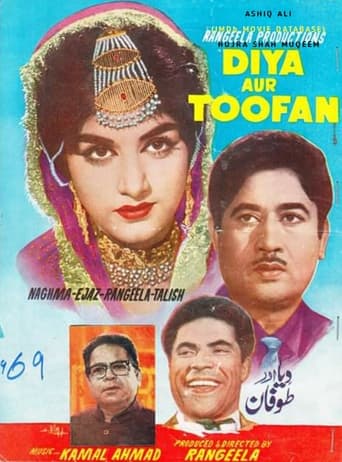
The comedians deserve a paragraph of their own. Lehri, with his dry one-line remarks, appeared in hundreds of films. Rangeela, a painter of cinema hoardings who became a star, directed and sang as well: Diya Aur Toofan, from 1969, was his own production, and in Insaan Aur Gadha, from 1973, he plays a donkey who prays to become a man, has his wish granted and soon regrets it. The film is a sharp satire on human behaviour and remains one of the most original comedies made in Urdu. Aurat Raj, from 1979, which Rangeela directed, imagines a land in which women take power and the men must stay at home, with Waheed Murad cheerfully mocking his own image.
Record-breakers
The 1970 to 1999 category holds 31 films, and the 1970 to 1999 help page describes them. The 1970s brought some of the greatest successes in the history of the industry.
Dosti, from 1971, with Ejaz Durrani and Shabnam, is the story of a Pakistani who goes abroad to earn his living; it was filmed partly in England, which was a novelty, and it ran for more than a hundred weeks. Baharon Phool Barsao, from 1972, with Waheed Murad and Rani, is a romance of old Lucknow manners. Mera Naam Hai Mohabbat, from 1975, borrowed its plot from a famous American love story and introduced a fresh young pair, Babra Sharif and Ghulam Mohiuddin; it was also a great success in China.
Then came Aina, in 1977. Directed by Nazar-ul-Islam, with music by Robin Ghosh, it tells of Rita, the daughter of a wealthy hotel owner, played by Shabnam, and Iqbal, a hotel receptionist of modest means, played by Nadeem, who marry against her father's wishes. The story is simple and the telling is tender, and audiences returned to it again and again: the film ran in Karachi for more than four hundred weeks, close to eight years, a record that still stands in Pakistan. The same director, stars and composer made Bandish in 1980, filmed partly in Indonesia, about a man who loses his memory in an accident far from home.
The social film continued through these decades. Insan Aur Aadmi, from 1970, directed by Shabab Kiranvi, the most prolific maker of family dramas, set Mohammad Ali and Zeba in a story of conscience and duty. Bahisht, Sharafat, Mitti Kay Putlay, about the workers and owners of a textile mill, Dil Lagi, in which a mechanic pretends for one evening to be rich, Amber, Qurbani, Kiran Aur Kali and Dil Nay Phir Yaad Kiya, a story of two friends in love with the same woman, are typical of the form. Sangdil, from 1982, is a comedy in which two children decide that their widowed father must marry a famous singer, and Kamyabi, from 1984, is a family musical.
In the 1980s the video cassette emptied the cinemas, many studios closed, and the Urdu film gave way for a time to rougher entertainments in other languages. A few film-makers kept the tradition alive. Bulandi, from 1990, introduced two newcomers, Shaan and Reema, who would lead the industry for the next twenty years. Sargam (Melody), from 1995, directed by Syed Noor, starred the musician Adnan Sami as a singer in love, and its soundtrack is one of the finest in Pakistani cinema. Chief Sahib, Jannat Ki Talash (In Search of Heaven), about a poet who was parted from his fiancée at Partition, Mujhe Chand Chahiye, Tere Pyaar Mein and Yeh Dil Aap Ka Huwa, a glossy romance of 2002 filmed in Spain and Switzerland, carried the Urdu film into the new century.
Two Urdu films from across the border
The catalogue includes a small number of films made in India in Urdu, since the language belongs to both countries. The most important is Garm Hava, from 1973, directed by M. S. Sathyu from a story by Ismat Chughtai. Salim Mirza, a shoe manufacturer in the old city of Agra, played by Balraj Sahni in his last and greatest role, watches his relatives leave one by one for Pakistan after Partition and must decide whether to follow them or to stay in the home of his ancestors. It is a wise and deeply moving film, widely regarded as one of the finest ever made in the subcontinent. Gazal, from 1964, with Sunil Dutt and Meena Kumari, is a romance of poets in Agra, and Majaz: A Life in Poetry is a recent film about a beloved Urdu poet of the 1930s.
The new cinema
By the early 2000s, only a handful of Urdu films were being made each year. Then modern multiplex cinemas opened in the big cities, television directors and advertising film-makers turned to features, and a revival began. The New Pakistani cinema category holds 33 films, the 2000 to 2019 and The 2020s categories hold 49 and 41, and the The new cinema help page gives a short history.
Zinda Bhaag, from 2013, directed by Meenu Gaur and Farjad Nabi, is the film with which the revival is usually said to begin. Three young friends in a working-class district of Lahore, Khaldi, Chitta and Taambi, can see only one way to a better life: to get abroad by any means. Around them are small schemes, big talk and the local fixer, played with relish by the Indian actor Naseeruddin Shah. The film is funny, musical and sad, with unknown young actors speaking the real language of the Lahore streets, and it was Pakistan's first submission for the Academy Awards in fifty years.
Jawani Phir Nahi Ani, from 2015, directed by Nadeem Baig, showed that a Pakistani comedy could break box-office records. Three married friends, tired of their routines, are persuaded by a fourth, a divorce lawyer played by Humayun Saeed, to slip away for a holiday in Bangkok, where their wives soon find them. Its sequel, Jawani Phir Nahi Ani 2, from 2018, moves to Turkey. The same director and star made Punjab Nahi Jaungi, from 2017, the most popular Pakistani film of its time: Fawad Khagga, the proud heir of a landowning family in Punjab, played by Humayun Saeed, falls in love with his cousin Amal, played by Mehwish Hayat, a city woman educated in London who has ideas of her own about marriage. The dialogue, by the writer Khalil-ur-Rehman Qamar, is quoted all over the country.
Several films show the beauty of the country itself. Janaan, from 2016, brings a young woman home from Canada for a family wedding in the green valley of Swat. Chalay Thay Saath, from 2017, follows a group of friends on a journey to the mountains of Hunza, where a young doctor meets a Chinese traveller. Karachi Se Lahore, from 2015, was the first Pakistani road film, a comedy about five friends driving the length of the country to stop a wedding, and Lahore Se Aagey, its companion, continues north into the mountains.
Mahira Khan, the best-known actress of the new cinema, appears in six films here. In 7 Din Mohabbat In, from 2018, a shy young man in a crowded Karachi neighbourhood is told by a mischievous spirit that he has seven days to find true love. In Superstar, from 2019, she plays a young stage actress who falls in love with a film star, with songs that topped the charts. In Quaid-e-Azam Zindabad, from 2022, a brisk comedy with a serious point about honesty, she stars opposite Fahad Mustafa, and in Love Guru, from 2025, opposite Humayun Saeed. Aik Hai Nigar, from 2021, tells the true story of the first woman to reach the rank of lieutenant general in the Pakistan Army, an army doctor, and Neelofar, from 2025, reunites her with the actor Fawad Khan in a gentle romance about a writer and a woman who has lost her sight.
The new cinema has room for thoughtful films as well. Mah e Mir, from 2016, follows a modern poet in Karachi who scorns the classical tradition until he reads the life of Mir Taqi Mir, the great poet of the eighteenth century, and finds his own story in it; Fahad Mustafa plays both men. Dobara Phir Se, directed by Mehreen Jabbar, is a grown-up romance among Pakistanis in New York. Shah, from 2015, written and directed by its leading actor, Adnan Sarwar, tells the true story of Hussain Shah, a boy from the streets of Karachi who won a bronze medal for boxing at the Olympic Games of 1988. The same director made Motorcycle Girl, from 2018, about Zenith Irfan, a young woman from Lahore who rode a motorcycle alone to the high passes of the north to fulfil her late father's dream.
Romances and wedding comedies make up the rest of the category: Parey Hut Love, a stylish story told through four weddings; Dekh Magar Pyaar Say, a love letter to the city of Lahore with a clever rickshaw driver for a hero; Rangreza, set among a family of traditional singers; Pinky Memsaab, about a maid and her employer in Dubai; Na Band Na Baraati, about a Pakistani family in Toronto; Chhalawa, Dum Mastam, Tich Button, Ghabrana Nahi Hai, Babylicious, Daghabaaz Dil and Poppay Ki Wedding. NAYAB, from 2024, follows a young woman in Karachi who is determined to play cricket for her country.
Love stories
The Love stories category is the largest on the site, with 96 films, and the Love stories help page suggests a path through it. The Urdu romance has its own conventions: the lovers are parted by a difference of wealth or by the wishes of a parent, a letter goes astray, a song is sung at a window, and all is resolved in a final scene of forgiveness.
The classics follow the pattern with great style. In Surayya, from 1961, two childhood sweethearts are separated by a family quarrel. In Ishq Par Zor Nahin, from 1963, love meets the barriers of class. Andaleeb, from 1969, with Waheed Murad and Shabnam, is about a kind-hearted girl from a small town, and Ishara, which Waheed Murad directed himself, is about a struggling painter. Afsana, Ehsas, Laila Majnu, from 1974, with Waheed Murad and Rani as the legendary lovers of the desert, and Bin Badal Barsat belong to the same tradition.
Folk legends are a rich source. The story of Heer and Ranjha, the great love story of Punjab, is told in Heer Ranjha; Laila and Majnu appear twice, in Ishq-e-Laila and Laila Majnu; and Sassi and Azra come from the legends of Sindh and Persia. Newer romances, such as Teri Meri Love Story, Zindagi Kitni Haseen Hay, about a young married couple learning to live together, Ishq Positive, Betabiyan, Ruposh and Luv Di Saun, bring the form up to date.
Music and poetry
The Music and poetry category holds 47 films, and the Music and poetry help page is a short listening tour. Film songs were the popular music of Pakistan for decades, and the names of the composers, Khurshid Anwar, Rasheed Attre, Master Inayat Hussain, Sohail Rana, Nisar Bazmi, Robin Ghosh and M. Ashraf, are as honoured as those of the stars.
The singers were stars in their own right. Noor Jehan sang for heroines from the 1950s to the 1990s; Mehdi Hassan, the king of the ghazal, gave his velvet voice to the romantic heroes; Ahmed Rushdi sang the lively numbers for Waheed Murad; and Runa Laila, Mala, Naheed Akhtar and Nayyara Noor each had their era. Mousiqar, from 1962, is the story of a composer; Doraha and Qurbani are about singers; Koel follows a poor musician invited to a contest abroad; and Sargam (Melody) is filled with classical and popular music.
Poetry is always close at hand in an Urdu film. Ghalib tells the life of Mirza Ghalib, who lived in Delhi in the last days of the Mughal court and whose verses every Urdu speaker knows by heart. Mah e Mir is about Mir Taqi Mir, Majaz: A Life in Poetry about a romantic poet of the twentieth century, and Jannat Ki Talash (In Search of Heaven) has a poet for its hero. Even the comedies stop for a couplet, and the subtitles of a good edition will try to carry the rhyme.
Family and society
The Family and society category holds 71 films, and the Family and society help page explains the form. The social film, as it was called, was the staple of the Urdu cinema: a drama of family duty in which a mother's sacrifice, a brother's loyalty or a daughter-in-law's patience is tested and rewarded.
Aulad, from 1962, is the story of a mother's struggles and sacrifices for her children, and one of the most admired films of its kind. Mera Kya Qasoor, from the same year, follows an orphaned boy whom superstitious relatives believe to be unlucky. Ashiana shows a household ruled by a strict and controlling woman, Baitee shows a film actress whose ambitions strain her marriage, and Behan Bhai, from 1968, follows a mother and her children who are separated on the journey to Pakistan in 1947 and grow up in very different circumstances. Clerk, from 1960, is an honest picture of the hard life of a poor office worker, directed by Khalil Qaiser, who also played the lead.
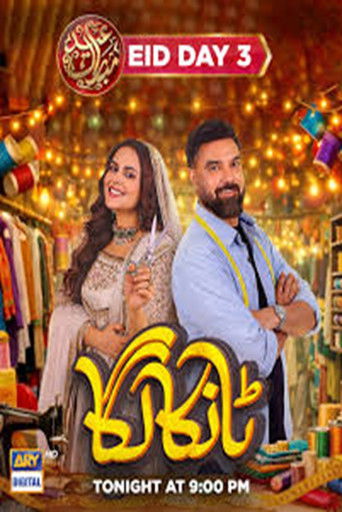
Bhabhi, Meri Bhabhi, Devar Bhabi, Salma, Izzat, Elaan, Buzdil, Hamjoli, Parchhaen and Dunya Na Manay are further examples, many of them directed by Luqman, S. M. Yusuf, Hassan Tariq or S. Suleman, the craftsmen of the form. In the new cinema, the tradition continues in Mehrunisa V Lub U, a comedy about a young bride who dislikes the noisy lane where her husband's family lives, Thora Jee Le, about seven friends, Tere Mere Kahani and Tanka Laga.
Comedy
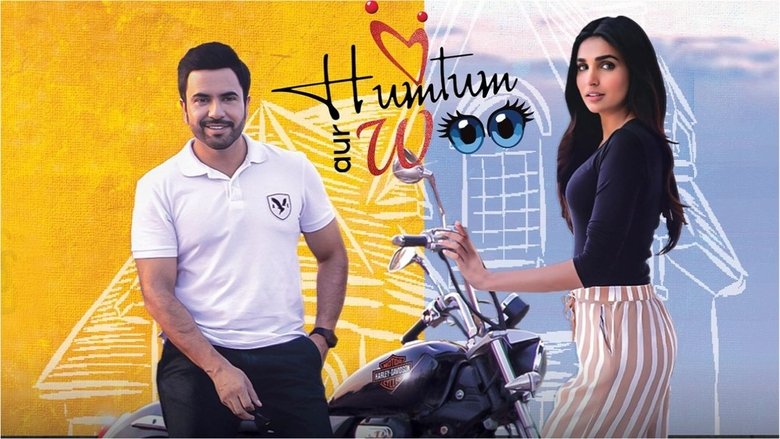
The Comedy category holds 43 films, and the Comedy help page picks the best. Besides the road comedies and wedding comedies of the new cinema and the satires of Rangeela, it includes Jackpot, about a winning lottery ticket left in the pocket of a lost coat; Azad, about a free-spirited radio presenter; Maan Jao Naa, about young people who doubt the point of marriage; Shor Sharaba, about two families at war over a romance; Love Life Ka Law, Aar Paar, Hum Tum aur Woo, Achari Muhabbat and Filmy Siyappa.
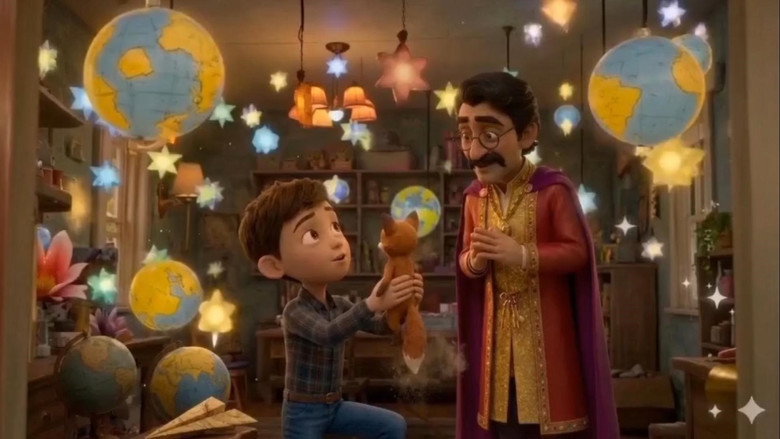
Television has always been close to cinema in Pakistan, and a few feature-length television films are listed. Gori Ki Dukaan was made for the Eid holiday of 2018, Lucky kabootar is about a young woman who keeps pigeons and the poet next door, and Romantic Razia and Dil Ne Kaha Dil Se are light romances. Ainak Wala Jin - The Movie, from 2026, is an animated film taken from a children's television series of the 1990s about a friendly spirit in spectacles, which a whole generation of Pakistani children grew up watching.
Short films
A new generation of Pakistani film-makers, many of them trained abroad or at the new film schools of Karachi and Lahore, is making short films that travel to festivals around the world. The Short films category holds 17 of them, and the Short films help page introduces them.
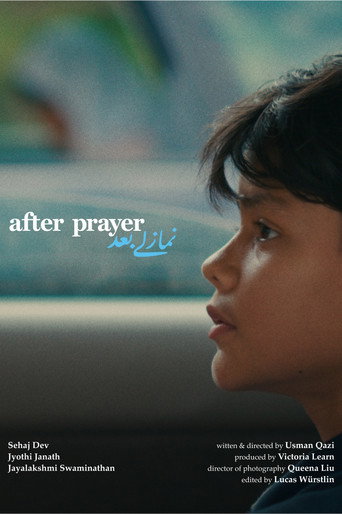
Eid Mubarak, from 2023, is about a six-year-old girl from a comfortable home who sets out to save her beloved pet goat before the festival. Gubbaare, from 2016, begins when a train is delayed and two strangers on the platform start to talk. A Place Called Home follows a taxi driver who helps an old man find his way home during a strike that has emptied the streets, Gahvara follows a young man keeping a promise to his grandmother, and After Prayer is a comedy about a ten-year-old boy trying to catch the eye of a girl at the mosque.
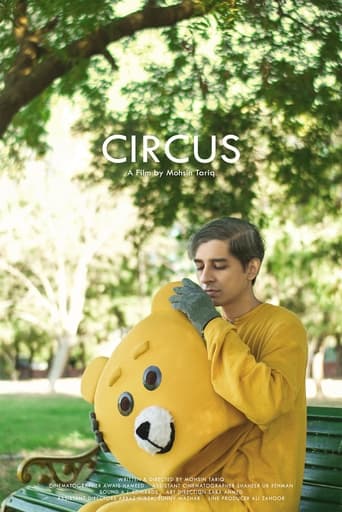
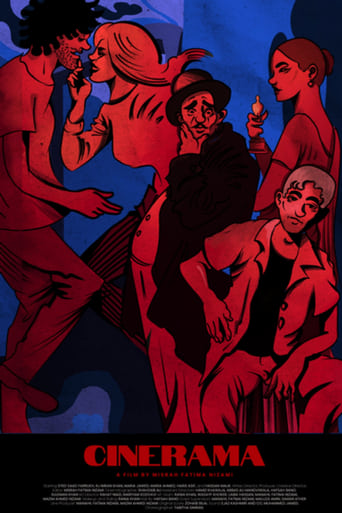
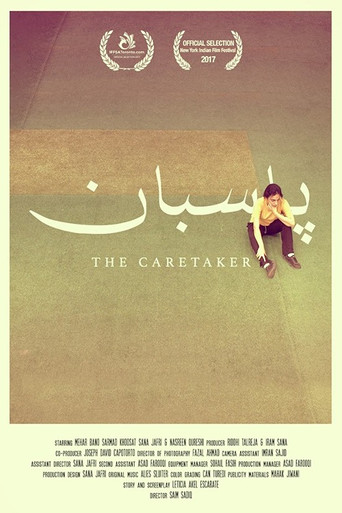
The Caretaker is about a young cricketer who wins a scholarship that will change her life, Fading Ribbons is about a girl of fourteen and a friendship that is slipping away, Circus is a glimpse of the life of a man who works by the roadside in a mascot costume, and Cin-E-Rama sends a film critic to record the last days of an old picture house. Stay Tuned tells the history of Pakistan through the television screens of one family, The Harvest and Roshan Raahein are about women who lead their communities, The Glacier Wedding shows a mountain village carrying out an old custom for the sake of its water, and Sil Batta is a tribute to the stone on which a family's chutney is ground.
Lahore, Karachi and beyond
It adds to the pleasure of these films to know where they were made. Lahore, the old cultural capital of Punjab, was the home of the industry from the start; its studios, Shahnoor, Evernew and Bari among them, stood along one road, and the city's gardens, forts and canals appear in countless films. Dekh Magar Pyaar Say and Zinda Bhaag show the Lahore of today, and Luv Di Saun is set in its walled inner city.
Karachi, the great port, built a second film centre in the 1950s and 1960s. Waheed Murad and his friends worked there, and Armaan, Ehsaan and Doraha are Karachi productions with a lighter, more modern feel than the films of Lahore. When the revival came, it came largely from Karachi, where the television and advertising industries are based; 7 Din Mohabbat In, Mah e Mir, NAYAB and Daghabaaz Dil are all set in the city.
The northern mountains have been a favourite setting since Armaan took its lovers to Murree. Janaan is set in Swat, Chalay Thay Saath in Hunza, Lahore Se Aagey on the road to the high valleys, and Motorcycle Girl on the highway to the Khunjerab Pass. Films set among Pakistanis abroad form a small group of their own: Dobara Phir Se in America, Na Band Na Baraati in Canada, Pinky Memsaab in Dubai, Dosti in England and Yeh Dil Aap Ka Huwa in Europe.
Directors to know
A few names recur in the credits of the best films. Anwar Kamal Pasha was the leading director of the 1950s, and trained many who followed. Masud Pervaiz made the musicals of Noor Jehan, Intezar and Koel, and the romance Jhoomer. Hassan Tariq, a master of the lavish drama, made Kaneez, Devar Bhabi, Behan Bhai, Bahisht and Laila Majnu. Pervez Malik made the Waheed Murad classics and, later, Qurbani and Kamyabi. Luqman, S. Suleman, Sharif Nayyar and Shabab Kiranvi each directed dozens of social films, and Nazar-ul-Islam, who came from Dhaka, made Aina and Bandish.
In the new cinema, Nadeem Baig is the maker of the biggest successes, Jawani Phir Nahi Ani, Punjab Nahi Jaungi and Love Guru. Wajahat Rauf made the road comedies and Chhalawa; Nabeel Qureshi made Quaid-e-Azam Zindabad; Asim Raza made Parey Hut Love; Mehreen Jabbar made Dobara Phir Se; and Adnan Sarwar made Shah and Motorcycle Girl. Women have directed several of the most interesting films, among them Meenu Gaur, co-director of Zinda Bhaag, and Shazia Ali Khan, who made Pinky Memsaab.
The highest rated
The Top rated category gathers the 29 films with the highest ratings from viewers around the world. Garm Hava, Day Shall Dawn, Zinda Bhaag, Aina and Punjab Nahi Jaungi are regular members. Many of the classics have been seen by few viewers outside Pakistan, so their ratings rest on a small number of votes, and the category changes as more people discover them; a film that is missing from it may simply be waiting for its audience.
Finding a film
There are several ways to find a film on Geo Urdu Film, and the Finding titles help page describes each one. The search box in the top bar accepts a title, in Urdu written in English letters or in English, and shows matching films as you type. The A to Z page lists all 193 films in alphabetical order, the Lollywood page lists them by popularity, and the Categories panel on the home page leads to every shelf, with five of them arranged by decade.
Urdu titles are spelt in English in more than one way, so if a search finds too little, try a shorter part of the name. Some films are listed under translated titles: Jago Hua Savera appears as Day Shall Dawn, Aakhri Station as Last Station, Waada as A Promise and Aas Paas as Close to Each Other. Popular titles were reused across the decades and across the border, so the year on each page is worth a glance: Laila Majnu here is the film of 1974, Masoom the film of 1957, Clerk the film of 1960, and Dosti the film of 1971.
What a title page shows
Every film has a page of its own. At the top are the poster, the title, the original Urdu title, the year, the running time where it is known and the rating from viewers around the world. Below come the story in English, the genres, the director and the leading actors, and a row of related films from the same categories. The Watch now button opens a list of the official services that carry the film in your country.
The new Pakistani films are easy to find on the larger streaming services and on the official channels of their producers and distributors. The classics are harder: many survive only in worn prints, though a number have been restored and released by their rights holders and by the national archives in recent years, some of them free of charge with advertisements. Availability differs from country to country and changes from month to month, so the list on each title page is the best place to look. Descriptions of the oldest films are sometimes brief, because little has been written about them in English; where a page says only who directed and starred in a film, that is all the public film databases yet record.
When a film catches your eye, the Add to My List button on its page will keep it for you. The list belongs to the browser you are using; it asks for neither an email address nor a password, and the red My List button in the top bar opens it at any time. The My List help page explains how to tidy the list and how to carry it to a second device.
A first week
For a newcomer to Urdu cinema, here are seven evenings. On the first, enjoy Punjab Nahi Jaungi, the most popular film of the revival. On the second, go back to 1966 and Armaan. On the third, laugh with Jawani Phir Nahi Ani. On the fourth, watch Aina, and see why Karachi kept it on screen for eight years. On the fifth, meet the young men of Zinda Bhaag. On the sixth, travel north with Janaan, and on the seventh, give a quiet evening to Garm Hava or Day Shall Dawn.
A second week might be given to the golden age: Koel, Kaneez, Naila, Saiqa, Dosti, Insaan Aur Gadha and Mera Naam Hai Mohabbat. A third could follow the new cinema: Karachi Se Lahore, Mah e Mir, Shah, Motorcycle Girl, Parey Hut Love, Superstar and Quaid-e-Azam Zindabad. And an evening of short films, Eid Mubarak, Gubbaare, A Place Called Home and Cin-E-Rama, makes a pleasant change.
A few words of Urdu
Many titles become clearer with a little vocabulary. Dil is the heart, and it appears in Dil Lagi and Dil Nay Phir Yaad Kiya; ishq and mohabbat and pyaar are three words for love, as in Ishq Positive, Mera Naam Hai Mohabbat and Tere Pyaar Mein; zindagi is life, as in Zindagi Kitni Haseen Hay, which means how beautiful life is. Bhabhi is a brother's wife, a figure of great importance in family dramas such as Bhabhi and Meri Bhabhi; baji is an elder sister; aulad means children; and a dupatta is the long scarf that gave the first hit of 1952 its name.
Titles are often taken from a line of poetry or a popular song. Baharon Phool Barsao means let the spring shower flowers; Jab Say Dekha Hay Tumhen means ever since I saw you; Punjab Nahi Jaungi is a bride's declaration that she will stay away from Punjab; and Jawani Phir Nahi Ani is a reminder that youth comes only once.
A short history
The story of Urdu cinema can be told in four chapters. The first runs from 1948 to the end of the 1950s, when a handful of producers in Lahore rebuilt an industry and found their first stars; Dupatta, Sassi, Qatill and Intezar are its monuments. The second is the golden age of the 1960s and 1970s, when more than a hundred films were made each year in three cities, colour arrived, and the cinema was the favourite entertainment of every family; Armaan, Naila, Kaneez, Dosti and Aina belong to it.
The third chapter is one of decline. From the late 1970s, home video, heavy taxes and the closing of cinemas reduced the audience for family films, and by the 1990s the Urdu film had become rare, kept alive by a few devoted directors and by stars such as Nadeem, Babra Sharif, Shaan and Reema. Television drama, which Pakistan made supremely well, took over the stories that the cinema had once told.
The fourth chapter began around 2007, when new cinemas were built, and gathered speed from 2013. The directors came from television and advertising, the stars were already loved from television serials, and the films were made with modern cameras and a new confidence. Comedies, romances and true stories have all found large audiences, and Pakistani films are now shown in cinemas from Dubai to London to Toronto, wherever Urdu speakers live. The catalogue reflects this history: it is richest in the 1960s and in the years since 2015, with a thinner middle.
How the catalogue is kept
The films on Geo Urdu Film are selected by people. For each one, the story and whatever reviews exist are read first, and films unsuited to a family evening are left to other guides. Because records of the older films are incomplete, a title is listed only when the public film databases hold a poster and a description for it. The summaries are in plain English, and the categories, their counts and the picture rows on the home page are rebuilt together when the catalogue is refreshed.
Geo Urdu Film is a guide. It keeps neither films nor downloads on its pages; Watch now leads to an official, licensed service or channel, which is how the makers of these films, and the archives that preserve the old ones, are supported.
Questions and answers
Questions
What is Geo Urdu Film?
Geo Urdu Film is an English guide to 193 Urdu films from 1952 to 2026. Each film has a page with its story, year, running time, director and cast, and a Watch now button that leads to the official services carrying it in your country.
What is Lollywood?
It is the popular name for the film industry of Lahore, and by extension for Pakistani cinema as a whole. The name joins Lahore with Hollywood.
Which films should I watch first?
Start with Punjab Nahi Jaungi, Armaan, Jawani Phir Nahi Ani, Aina, Zinda Bhaag and Janaan. The first-week plan in the guide suggests many more.
Is the catalogue suitable for families?
Yes. Every film is chosen by hand for a family audience, with an emphasis on love stories, musicals, social dramas and comedies.
Are the films subtitled in English?
The new Pakistani films usually have English subtitles on official services. Subtitles for the classics are less common, though restored editions often include them. The services listed on each title page show what they provide.
Why are some descriptions so short?
Little has been written in English about many classic Urdu films. Where a page gives only the director and the stars, that is all the public film databases record so far.
How does My List work?
Press Add to My List on the page of any film. The list is kept by your own browser, free of charge, and the red My List button in the top bar opens it.
Does Geo Urdu Film host films or downloads?
Geo Urdu Film is a guide only. Every Watch now button leads to an official, licensed service or channel.